
 Kevin Morrissy

By Dream Assurance Group · Reviewed by Kevin Morrissy
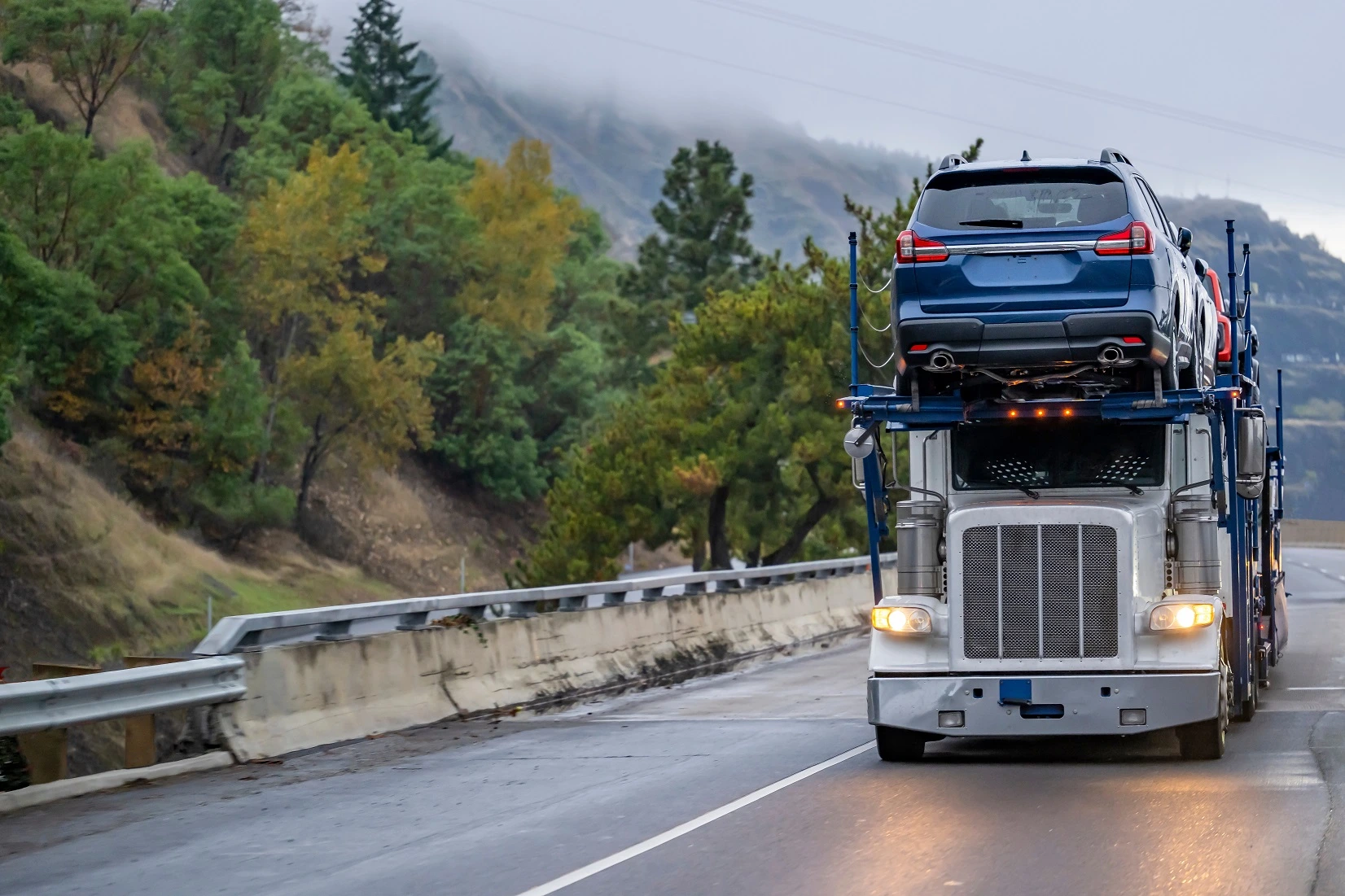
Auto hauler insurance is a trucking policy built around the fact that your cargo is other people’s vehicles. It combines primary liability for the truck, motor truck cargo for the cars on the trailer, garagekeepers coverage for vehicles in your custody off the road, on-hook coverage for towed units, and physical damage for a rig that can cost well into six figures. Here is what each part does, why underwriters treat car carriers differently and how to get a quote that holds up.
Why do insurers treat auto haulers differently from other trucking?
Two reasons. First, the cargo is expensive and fragile. A single load of new or late-model vehicles can be worth more than the truck pulling it, and a chip, scratch or a strap mark is a claim even when nothing is totaled. Second, the cargo has to be driven. Loading and unloading means your drivers operate customer vehicles, which creates liability a dry-van carrier never has. The policy has to cover damage to the vehicles while they are being loaded, in transit, parked overnight and being delivered, not just while the truck is rolling.
What coverages make up an auto hauler policy?
Primary liability
Required for any carrier operating under its own authority, primary liability pays for bodily injury and property damage to other people when your truck is at fault. For a car carrier the property damage side is rated higher because a multi-car trailer involved in a crash can damage a lot of other vehicles at once. Shippers, auctions and dealers routinely require limits above the federal minimum, so check your contracts before you pick a limit.
Motor truck cargo
This is the coverage that pays for the vehicles you are hauling. Set the limit by the maximum value you could have on the trailer at one time, not the average load. Confirm how the policy values a damaged vehicle (actual cash value or agreed value), whether it covers diminished value, and whether there is a per-vehicle sublimit, because a full trailer of ordinary vehicles and a trailer carrying one exotic car can hit the limit in very different ways.
Garagekeepers legal liability
Garagekeepers covers customer vehicles while they are in your care but not on the trailer: in your yard, in a lot overnight, or at a terminal waiting for the next leg. It fills the gap between “loaded” and “delivered” that a cargo policy may not reach. Ask whether it is written on a legal liability basis (you pay only if you are at fault) or a direct basis (it pays regardless of fault), because dealers and auctions often insist on direct coverage.
On-hook towing
If you also run wreckers or wheel-lift units, on-hook coverage pays for damage to a vehicle while it is being towed. It is the tow-truck equivalent of cargo coverage, and some policies combine it with garagekeepers for carriers that do both transport and recovery.
Physical damage
Physical damage pays to repair or replace your own tractor and trailer. Auto hauler trailers can cost upwards of $100,000 before you add the hydraulics, and a stinger-steer rig is a specialized piece of equipment with a long replacement lead time. State the equipment value accurately and ask about rental reimbursement or downtime coverage, because a rig off the road is revenue you cannot replace.
Non-owned auto and hired auto liability
Every time a driver moves a customer’s car on or off the trailer, they are operating a vehicle that is not on your schedule. Non-owned auto liability covers injury or damage to others while your driver is in a customer vehicle. It is a small line on the policy and an expensive gap when it is missing.
General liability
General liability covers premises claims at your yard or terminal and completed-operations claims that are not driving related. Many dealer and auction contracts ask for it alongside auto liability.
What drives the cost of auto hauler insurance?
- Vehicle values hauled. New and luxury vehicles cost more to insure than used dealer trade stock.
- Trailer type. Stinger-steer and enclosed trailers are rated differently from three-car wedge trailers.
- Radius and lanes. Coast-to-coast lanes are rated above regional dealer and auction runs.
- Driver experience. Underwriters want verifiable experience specifically on car carriers, because loading skill is where damage happens.
- Loss history. Frequency of small cargo claims matters as much as one large loss.
- Years in business. New authorities pay more in the first year.
- Security. Fenced, lit, camera-monitored yards lower garagekeepers rates.
How do you compare auto hauler quotes properly?
Line up the cargo limit, per-vehicle sublimit and valuation basis first, because that is where cheap quotes cut corners. Confirm garagekeepers is on the basis your customers require. Check that non-owned auto is included. Make sure the physical damage value reflects what it would actually cost to replace your trailer. Then compare price. A quote that is thousands cheaper because it quietly dropped a coverage is not a better deal.
Ready to get your car carrier quoted?
Trucking is handled by our sister agency, Commercial Trucking Insurance, which writes auto hauler programs for single-rig owner-operators up to small fleets. Start at the CTI auto hauler insurance page or visit commercial-trucking-insurance.com. For an overview of how trucking fits with the rest of your business coverage, see our trucking insurance page; if you also operate a dealership, our dealership insurance page covers that side. Dream Assurance Group is licensed in 36 states. Email info@dreamassurancegroup.com with questions.
Frequently asked questions
What is the difference between motor truck cargo and garagekeepers coverage for an auto hauler?
Motor truck cargo covers the vehicles while they are on your trailer in transit. Garagekeepers covers customer vehicles in your custody when they are not on the trailer, such as parked in your yard or at a terminal overnight. Most car carriers need both.
How much cargo coverage does an auto hauler need?
Enough to cover the highest total value you could have loaded at one time, with a per-vehicle sublimit that covers your most expensive single unit. Dealers, auctions and brokers often set a minimum in their contracts, so check those before you choose.
Does auto hauler insurance cover damage during loading and unloading?
It should, but confirm it. Loading and unloading is where most car-carrier damage happens, and some cargo forms only respond while the vehicle is secured on the trailer. Ask for loading and unloading coverage in writing.
Do I need non-owned auto liability as an auto hauler?
Yes. Every time a driver moves a customer vehicle on or off the trailer, they are operating a vehicle not on your policy. Non-owned auto liability covers injury or damage to others during those moments.
Is auto hauler insurance more expensive than general freight?
Typically yes, because the cargo is higher in value, more easily damaged and has to be driven by your crew. Experienced car-carrier drivers, secure yards and a clean cargo claims record bring the rate down.