Affordable insurance starts with an easy quote
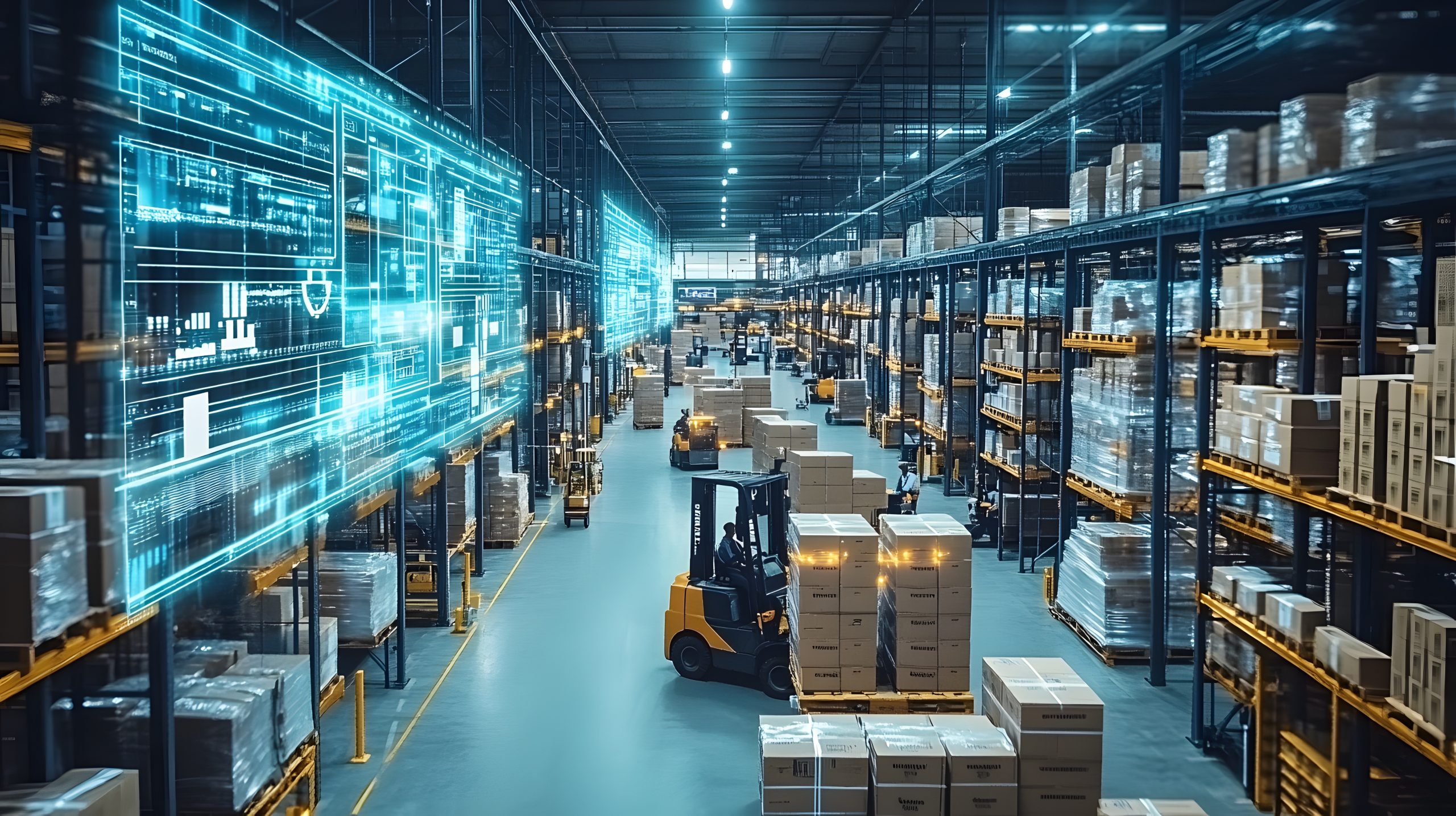
In the fast-paced world of warehousing and logistics, your business is the critical link in the supply chain. A lot can happen from the moment goods enter your facility to when they are shipped out. Warehousing and logistics insurance is a specialized set of policies designed to protect your business from financial losses due to the unique risks and liabilities associated with storing, handling, and transporting goods.
This insurance goes beyond a general business policy by addressing specific risks, from property damage and equipment breakdown to cargo theft and legal liability. It ensures that when unexpected events occur, your operations are shielded, allowing you to keep the supply chain moving.
If you own or operate any facility or service involved in the storage and movement of goods, this insurance is essential. It safeguards your business from financial losses due to a wide range of covered incidents.
Whether you own a large distribution center or a small, family-run storage facility, warehouse insurance protects your building, equipment, and the goods you store from risks like fire, theft, or damage.
As a 3PL provider, you handle clients’ goods, making you responsible for their safety. This insurance is crucial, especially Warehousekeepers Legal Liability, which covers your legal responsibility for damage to customers’ property in your care.
You are responsible for the cargo you arrange to be shipped. If goods are damaged or lost in transit due to an incident with a carrier you selected, you could be held liable.
Businesses that store perishable goods require specialized coverage. Policies can protect against spoilage due to refrigeration failure or temperature fluctuations, which standard property insurance may not cover.
If your business operates vehicles to transport goods, you need protection against accidents, cargo theft, and liability on the road. Commercial auto insurance is a critical component of a comprehensive logistics policy.
A comprehensive policy includes a core set of coverages to address the common risks in the logistics and warehousing industry.
This is the foundational coverage for your business. It protects you against claims for bodily injury or property damage to third parties that occur on your premises or as a result of your operations. If a delivery driver is injured at your loading dock, or your operations damage a neighboring property, this insurance can cover the legal and financial costs.
Property coverage protects your physical assets. This includes your warehouse building, storage racks, forklifts, conveyor systems, and office equipment. Coverage can extend to damage or loss from events like fire, theft, vandalism, and certain natural disasters.
If a covered event like a fire forces you to temporarily shut down your operations, this insurance provides financial compensation. It can help cover lost income, ongoing operating expenses like employee salaries, and lease payments during the closure period, helping you get back on your feet.
Despite its name, this insurance covers goods and equipment that are transported over land. It protects your clients’ cargo from risks like collisions, theft, and damage while in transit via truck or train, or while being temporarily stored by a third party.
Beyond the core coverages, you can add other options to tailor your policy to the specific needs of your operation.
This is essential for any business that stores goods for others. It covers your legal liability if a customer’s property is damaged or lost due to your company’s negligence. This can arise from issues like theft, fire, temperature changes, or improper handling.
If your business owns or uses vehicles, a commercial auto policy is necessary. It provides liability coverage for accidents causing injury or property damage, as well as physical damage to your vehicles from collisions, theft, or other covered events.
Warehouse work is physically demanding, and injuries can happen. This insurance, which is mandatory in most states, covers medical expenses and lost wages for employees who get injured or become ill as a result of their job.
Your business relies on specialized equipment like forklifts, refrigeration units, and conveyor belts. This coverage can help pay for repair or replacement costs if this essential equipment breaks down, protecting you from expensive downtime.
Logistics companies are increasingly reliant on technology to manage inventory, shipping, and client data. This coverage protects your business from financial losses associated with data breaches, cyberattacks, and other online risks.
The cost of your insurance is determined by several factors that reflect the level of risk associated with your business.
The geographic location of your facility is a major factor. Warehouses in areas prone to natural disasters like floods, hurricanes, or earthquakes will typically have higher premiums due to the increased risk of property damage.
The kind of goods you handle significantly impacts cost. Storing high-value items like electronics or pharmaceuticals will result in higher premiums than storing less valuable or less fragile materials. Flammable or hazardous materials also increase risk and cost.
A larger warehouse with more employees, a larger fleet of vehicles, and more complex operations generally presents more risk. The number and types of vehicles you operate will also be a key factor in your commercial auto insurance premium.
A history of frequent claims can lead to higher insurance premiums, as it suggests a greater likelihood of future incidents.
Implementing strong safety and security measures can help lower your premiums. This includes having modern alarm and CCTV systems, automatic fire sprinklers, proper employee training programs, and a well-maintained facility, as these demonstrate a proactive approach to minimizing risk.
Dream Assurance specializes in providing tailored insurance solutions for the warehousing and logistics industry. Our experienced agents work with a wide range of carriers to secure the right coverage at competitive rates for your business.
We understand that your business is a critical part of the supply chain, and our team is ready to provide ongoing support to address any questions or concerns about your policy. For personalized guidance that addresses your specific needs, get in touch with our insurance experts today. Request an instant quote.
We’re here to help you explore your coverage options tailored to your needs.
Request Quote
Have specific questions? Our independent agents are ready to assist you directly.
Our team has the skills, experience, and readiness to help our customers.
We value getting to know our customers and helping them make their insurance dreams a reality.
We love to learn more to help our customers make the insurance process easier.
Experience the Value of
an Independent Agency